My Approach
The Path That Led Me Here
My training is in clinical and sport psychology, and I spent the first 15 years of my career working with elite athletes, their teams, and their coaches. It was demanding, high-stakes work—immersive, performance-driven, and often exhilarating. I worked in environments where expectations were explicit, feedback was immediate, and the margin for error was small.
Over time, however, I began to notice something familiar to many people in highly demanding roles: despite professional success, parts of my own life were becoming increasingly constrained. The pace, pressure, and narrow focus that made the work effective also made it harder to sustain balance, depth, and a sense of alignment beyond performance.
With the support of my family, we made a significant transition—moving from the Deep South to the mountains of the western United States. That shift marked the beginning of a second phase of my professional life. Almost immediately, I experienced a sense of grounding and clarity that had been missing for years, and it created space to rethink not only how I worked, but who I worked with.
From Performance Settings to High-Accountability Lives
The move required me to step into entrepreneurship and adapt my skill set to a different population. In doing so, I discovered a group of people who felt deeply familiar: high-accountability professionals.
In many ways, these individuals resemble elite athletes and coaches. They are driven, capable, and accustomed to operating under pressure. They care deeply about excellence and tend to be analytical, solution-oriented, and motivated by understanding the “why” behind obstacles. They are often deeply invested in their work—and less certain about how to bring the same clarity and effectiveness into their personal lives.
For many of them, traditional psychological models that emphasize pathology or symptom reduction feel misaligned with their experience. What they want is not to be labeled or managed, but to understand themselves more clearly and to navigate complex situations—particularly in relationships and transitions—with greater skill and intention.
This realization gradually shaped a third phase of my career: a shift toward coaching and consulting that integrates my background in clinical psychology and performance psychology.
Sierra Performance Consulting
Sierra Performance Consulting represents the synthesis of this work. It is grounded in psychological theory and clinical experience, informed by years in performance environments, and shaped by an understanding of the real demands faced by people in high-responsibility roles.
The work invites clients to examine patterns that have long been effective—sometimes exceptionally so—and to consider how those same patterns may now be limiting connection, flexibility, or fulfillment. The process is rarely linear and often uncomfortable at moments, but it reliably leads to deeper self-understanding, growth, and a more compassionate relationship with oneself and others.
Beyond the Work
On a more personal note, my wife and I have been married for 28 years, and we have four children and two dogs. I am also the owner of Mt. Rose Counseling and Wellness, a private practice in Reno, Nevada.
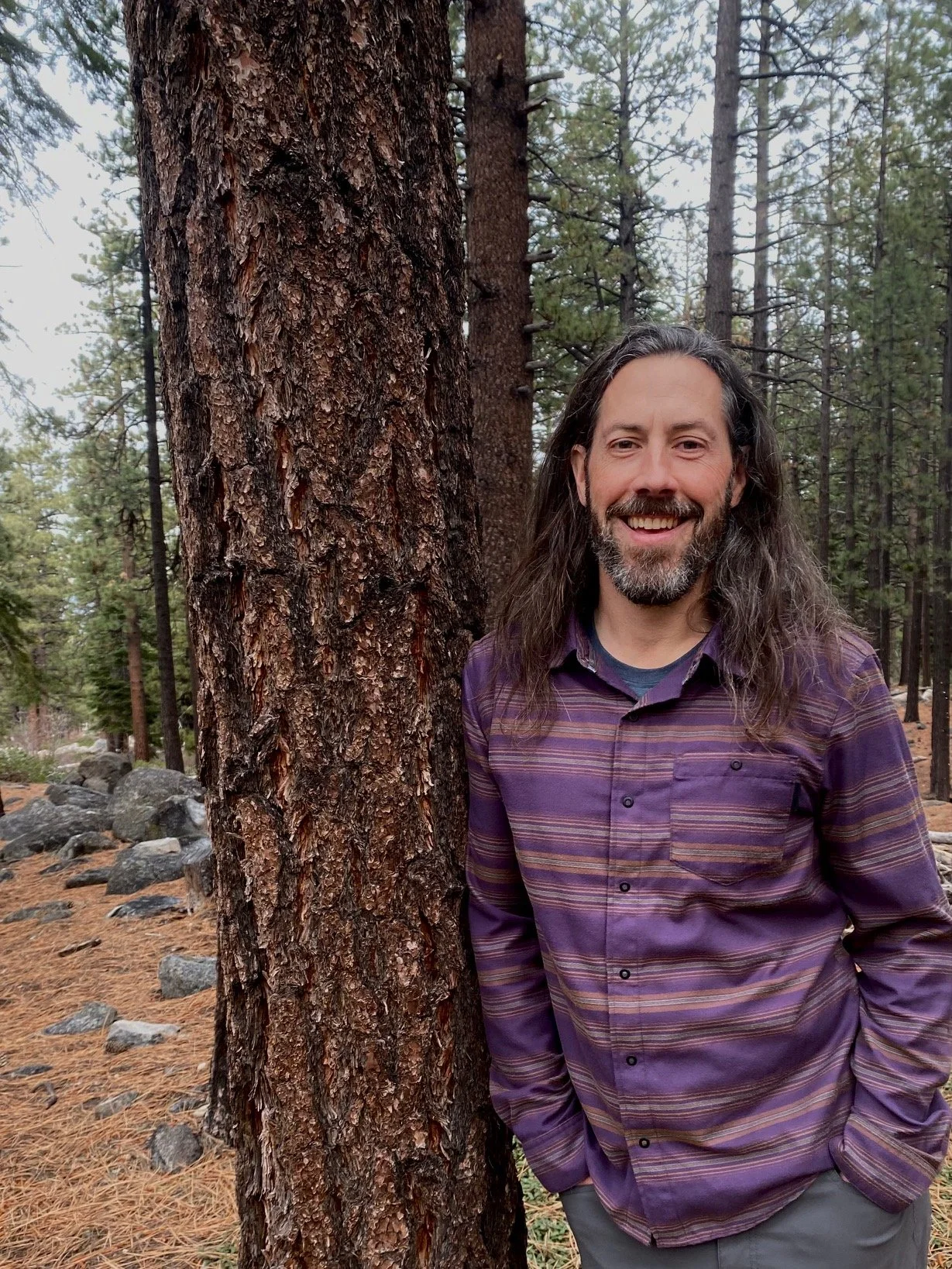
I feel most grounded in the mountains and spend as much time as possible hiking, trail running, and mountain biking. Endurance sports have long been an important part of my life—not simply for the physical challenge, but for what the process demands internally. Long hours of training, sustained discomfort, and time spent alone create a particular kind of clarity. In those moments, there is no one else to rely on, no way to outsource effort or resolve. What develops instead is a quieter form of confidence: trust in judgment, patience with difficulty, and a growing familiarity with one’s own limits and capacities.
I have completed a full-distance Ironman as well as additional half- and full-distance triathlons, and I expect I’m not finished yet. These experiences continue to shape how I think about growth—not as something achieved quickly or dramatically, but as something refined over time through attention, persistence, and a willingness to stay present when things are hard.